



A new patient navigator program through the Connexions Resource Centre is helping people access what can typically be an overwhelming healthcare system – especially for anglophones.
Whether an English-speaking Quebecer is trying to work their way through the province’s confusing Primary Access Care Point (GAP), such as book a doctor’s appointment without a family doctor or trying to understand where to go once they arrive at a hospital – a patient navigator is ready to help them through the entire process.
“Even just walking into a hospital is intimidating when you don’t know where you’re going,” said Connexions executive director Danielle Lanyi. “You walk in, and yeah, they’ve got those nice little feet on the floor that tell you, but it can be confusing. I myself – when I’m with my mother who’s in and out of the hospital – when I first started going, I was like, ‘Where do I go?’”
Because of provisions of Bill 96 – Quebec’s overhaul of the Charter of the French Language – hospitals don’t include English signage.
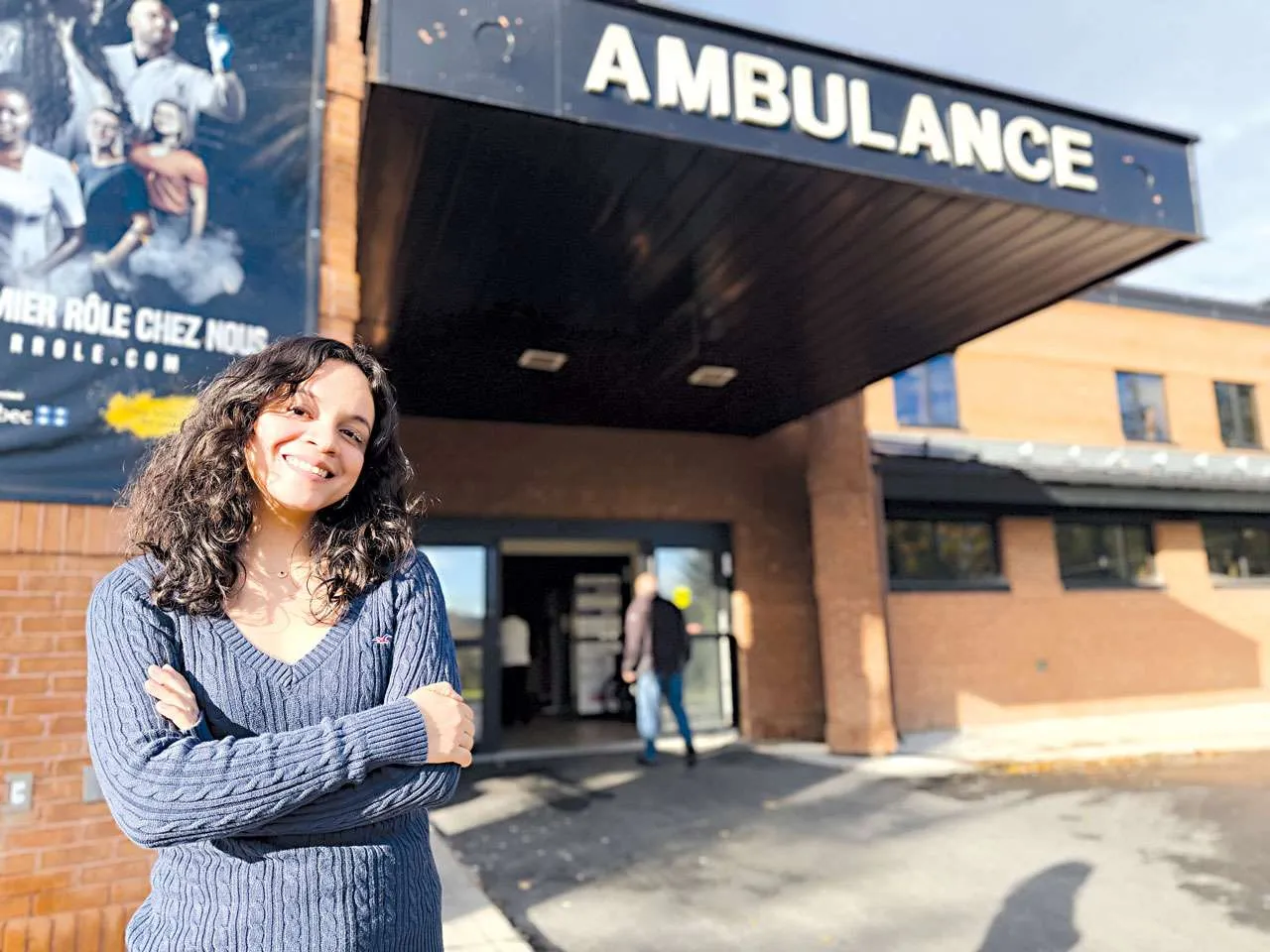
Enter Andrea Liosatos, the Hills’ own patient navigator, who is ready to help anyone through the “complicated” system. Liosatos said she’s already helped more than 40 patients book appointments, arrange transportation and get through the GAP telephone system to see a doctor. She’ll even ride with someone to the hospital or meet them there to ensure they are getting served in English.
“I want to know about the entire aspects of what situation they are dealing with,” she said, referring to the people she’s helping. “Are they needing a wheelchair? Because, then, vehicle transportation needs to be arranged, and I can help with those resources.
“And after that, depending on the situation, of course, I’ll accompany them to the appointment – in the sense that I can drive with them in the vehicle that they’re being transported to and meet them where they’re going to get picked up.”
Liosatos was clear that she isn’t a translator and is not permitted to help patients understand medical diagnoses or results, but said she can “lightly advocate” for them in terms of ensuring someone at the hospital can explain such things in a language they understand.
Lanyi added that the service for patients is to “hold their hand” through dealing with a medical issue. She said that she’s heard from patients who are consistently deterred from even calling 811 to access the GAP, as most think they won’t be able to understand how to get through the telephone system to talk to someone.
“Especially when people are calling 811, there’s a hesitancy because people are afraid that the person who’s going to answer won’t be able to speak in English, and it happens a lot,” said Lanyi. “It’s really being there as a support to sort of help them walk through that process, and also sometimes [the fear of not understanding French] can actually deter people from calling because they’ll just decide at the end of the day, ‘Oh no, I’m not going to call,’ and then the situation gets worse.”
Lanyi added that the program is designed to empower patients and give them confidence to take control of their own health situation.
For Liosatos, she said her role is really about making patients feel comfortable and safe. When she’s dealing with a client, they’re often sharing personal medical details about their body, which can be difficult for some people. Sometimes, she said, she even meets inside people’s homes. However, she made it clear that these meetings are strictly confidential and that she does everything to ensure a patient is left feeling unjudged.
“The main thing is that I want the clients to feel like it’s an open space. There’s no judgment,” she said. “I sometimes have to go to their homes, and I say, ‘It’s okay if you’re in pajamas. There is absolutely no judgment if you can’t move from your bed or if you have a dog. It’s okay.”
The patient navigator program is funded through a nearly $1 million investment from the province, which has funded nine regions outside of Montreal to implement the program. While Liosatos is the sole navigator for the Outaouais region, Connexions also offers a suite of services to help people navigate through what Lanyi called a “difficult” Quebec health system.
Following the CAQ’s Law 2 legislation, which in its original draft threatened to penalize doctors who didn’t take on enough extra patients, the Outaouais region lost 24 physicians – four of them department heads at Santé Québec Outaouais, formerly CISSSO. The region also lost nine specialists.
However, over the past 24 months, doctors and the government have worked together to ease some of the more controversial aspects of the bill; doctors who take on more patients are now incentivized rather than penalized. This enabled clinics like the Clinique Médicale des Collines, located above the Wakefield pharmacy, to take on more patients. This action helped reduce the family doctor waiting list in the Hills from over 10,000 people to just under 4,000 today.
To access a patient navigator in the Hills, you can either contact Liosatos directly at a_liosatos@centreconnexions.org or by phone at 819-557-0615. Other information can be found at www.patientnavigator.ca or at www.centreconnexions.org.
