





New Liberal MNA ‘eagerly waiting’ for Supreme Court decision
Quebec’s new Parti Québécois Education Minister Joël Arseneau said Oct. 29 that he plans to ban children in school from wearing religious symbols.
“It’s non-negotiable. This is what we were elected to do,” he told journalists in French when asked about the party’s platform promise to expand Quebec’s religious symbols ban to students. It was a short but clear answer in response to a question asked by a journalist while he walked through the National Assembly.
Bill 21, passed in 2019, prohibits certain public sector employees, like teachers and police, from wearing religious symbols, like hijabs or turbans. Critics have called the law discriminatory and said it contradicts the freedoms guaranteed in the Canadian Charter of Rights and Freedoms.
After Arseneau’s comments, the Quebec spokesperson for the Canadian Civil Liberties Association, Anaïs Bussières McNicoll, said her organization watched in dismay as Quebec passed its secularism laws.
“These discriminatory laws, which infringe on freedom of religion and freedom of expression, have had serious consequences: Women have lost their jobs, students have had to reconsider their career aspirations, certain community organizations can no longer participate in school activities and some parents can no longer volunteer at their children’s schools,” McNicoll explained.
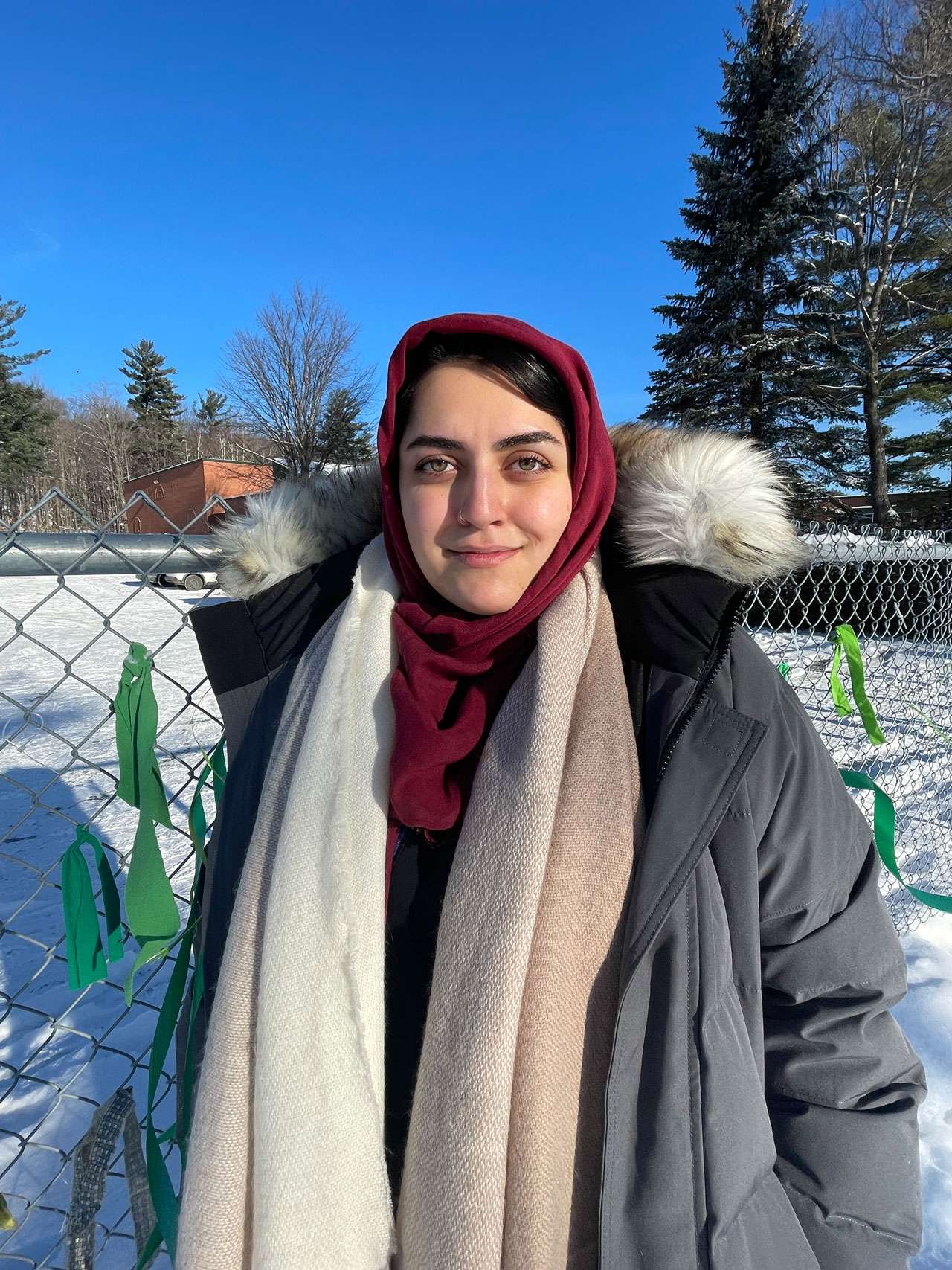
Criticism of the law reached a fever pitch after Fatemeh Anvari was removed from her teaching position at Chelsea Elementary School in December 2021 because she wore a hijab. Anvari was told she would no longer be able to teach her Grade 3 class because she was wearing a religious symbol at work. The ban went into effect on Dec. 1 and Anvari was shifted into an inclusion and diversity literacy project at the school.
Bill 21 faced appeals in Quebec, but it was upheld by two levels of courts in Quebec before the question was brought to the Supreme Court of Canada. The country’s highest court is examining whether the ban contradicts rights and freedoms in the Canadian constitution and Charter of Rights and Freedoms. The Supreme Court case is also examining the use of the notwithstanding clause, a part of the constitution that gives the provinces the right to override certain freedoms guaranteed by the federal Charter. Quebec preemptively evoked the clause, meaning that if the court finds Bill 21 violated freedoms in the Charter, Quebec would use its authority to override them.
The supreme court has not given its decision on the case.
Newly elected Liberal MNA for the Gatineau riding DavidLogue did not respond to the Low Down’s request for comment on this story. But when speaking with Logue on Oct. 9 about the PQ’s plans for its first 100 days, he said inclusiveness was important to the Liberal party. On Bill 21, he said the party would wait for a decision from the Supreme Court.
“There’s a case in front of the courts, and we are eagerly waiting [for] the judgment to be able to take [a] position, just so we can work with what the courts [decide], because it’s going to come, and we will address it at that point,” Logue said.
When he was asked in October about extending Bill 21 to include students, Logue said it was a PQ move to secure Conservative support as a minority government.
“That for me is them just trying to cozy up to the Conservative party, so they can get support on their main platform to form a new country [of] Quebec,” he said. “We are ready to work with the PQ government on things, but we will be adamantly opposed to anything that goes against our values.”